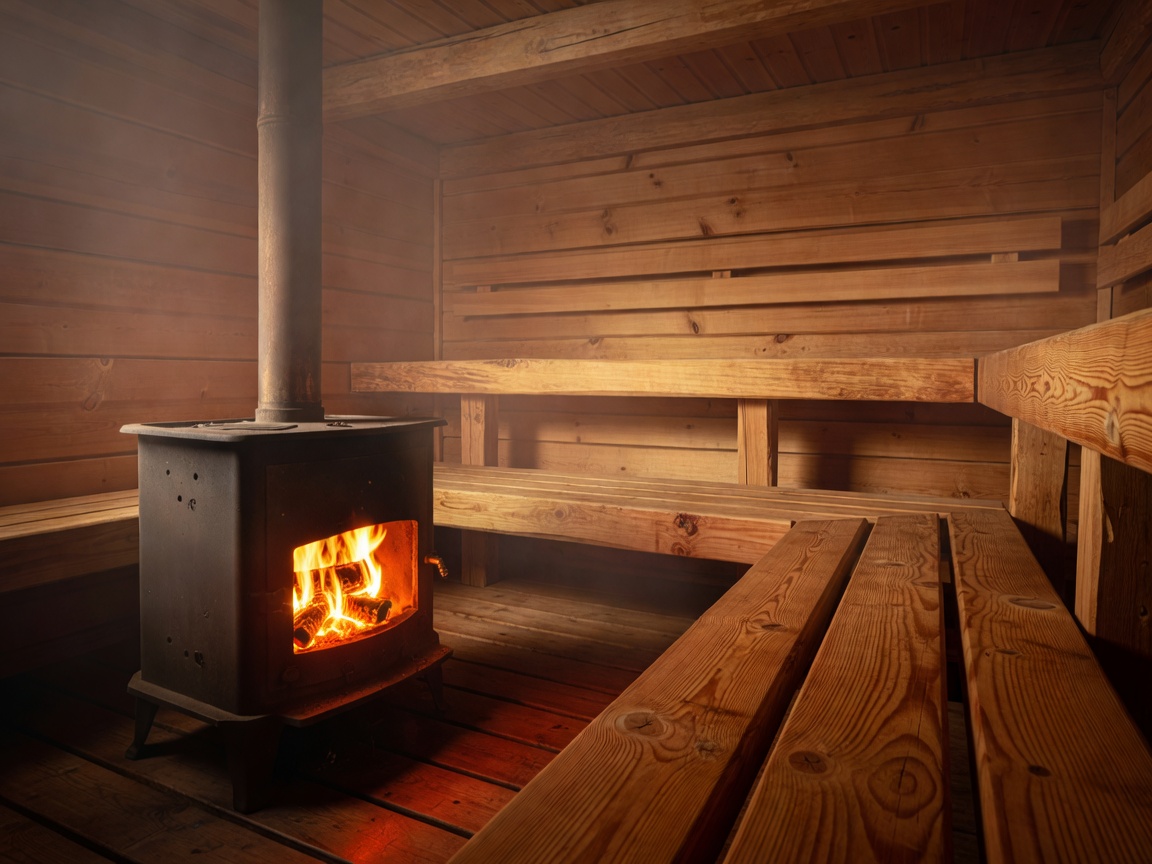
What Makes a Forest Sauna Truly Distinctive?
Let's be candid: most municipal or hotel saunas suffer from an oxygen problem. You sit in a tightly sealed concrete cube heated by dry electric coils, fighting a feeling of stuffiness after eight minutes because there is inadequate airflow. Forest saunas solve this by sheer architectural intention.
Because woodland bathhouses are typically built from solid logs or breathable timber frame constructions, they breathe. Air is drawn from underneath the floorboards, passes through the radiant hearth of a wood-burning stove, gathers gentle humidity from ladled spring water, and circulates out through high wooden vents. You breathe fresh forest air rich in terpene compounds, even while sitting in 85°C heat.
Remote Versus Accessible Locations
When you begin searching for a forest retreat, one of your first strategic decisions involves accessibility. Not all woodland outposts require a three-kilometer hike with a backpack, but the most tranquil almost invariably demand some physical commitment.
Accessible Outposts (Drive-Up)
- Pros: Effortless luggage transfer, immediate access to supplies, reliable mains electricity for cabin refrigeration.
- Trade-offs: Occasional gravel road noise, closer neighbors, and a less profound sense of isolation.
- Ideal For: Weekend getaways, first-time sauna retreaters, or winter trips where deep snow makes backcountry walking strenuous.
Remote Off-Grid Sanctuaries
- Pros: Absolute silence, zero artificial light pollution, pure spring water for plunges, pristine canopy views.
- Trade-offs: You haul your own water or pump it from the well; wood must be carried; composting or dry toilets.
- Ideal For: Digital detoxes, experienced cold-water bathers, and those seeking genuine sensory deceleration.
Private Versus Shared Settings
There is a time and place for shared sauna culture. In places like Estonia and Finland, public smoke saunas are vibrant community hearths where generations exchange stories. However, if your personal goal is nervous system restoration or working through burnout, a private or micro-group sauna offers an intimacy that public facilities cannot match.
In a private setting, you control every variable. If you prefer a gentle 70°C warmup session with high moisture, you ladle water at your own tempo. If you want to sit on the porch in your robe for forty minutes with your eyes closed listening to wind in the larches, nobody is waiting to take your seat.
The Typical Experience Flow
A rewarding woodland sauna day rarely happens in thirty minutes between sightseeing stops. Experienced bathers allocate between two and four hours for a complete session. Here is how that time naturally unfolds:
-
The Stoking Phase (45–60 minutes): Laying kindling, opening the flue, and listening to the crackle of dry birch or pine. The cabin slowly warms from ambient forest chill to an even, radiating warmth.
-
First Gentle Sweat (10–15 minutes): Enter with dry skin. Allow your pores to open gradually without excessive water on the stones. Step outside before you feel depleted.
-
Outdoor Canopy Pause (15–20 minutes): Sit on the covered veranda. Do not jump immediately into freezing water on round one; let the mountain breeze naturally draw the surface heat away while sipping mineral water or herbal infusion.
-
The Deeper Round & Whisking (15 minutes): Re-enter. This is when to introduce generous water to the stones and softly pat your limbs with soaked birch twigs (vihta/vasta) to stimulate circulation and fill the chamber with sweet forest scents.
-
Cold Contrast (1–3 minutes): A deliberate cold rinse, dip into a woodland pool, or snow roll during winter months. Keep your breathing steady and deliberate.
-
Extended Rest & Nourishment (30+ minutes): Wrap in heavy wool or linen, hydrate with electrolytes, and rest quietly until your body temperature returns completely to baseline.
A Note on Seasonal Variations
An autumn sauna retreat surrounded by yellowing birch and crisp 5°C air is entirely different from a midsummer session where daylight stretches until midnight. In summer, mosquitoes can dictate porch resting times, requiring screened porches or outdoor mosquito nets. In deep winter, thermal contrast is magnificent, but you will burn nearly twice as much firewood to maintain the cabin's thermal inertia.
Preparation & What to Inquire Before You Go
When vetting a forest sauna outpost, ask the host or property steward two essential questions: What is the water source (piped spring, lake pump, or carried buckets), and what species of timber is provided? Birch and dense hardwoods burn hot and clean with minimal bitter creosote, whereas softwood scrap creates fast, spitting sparks that can drop ash inside the cabin.