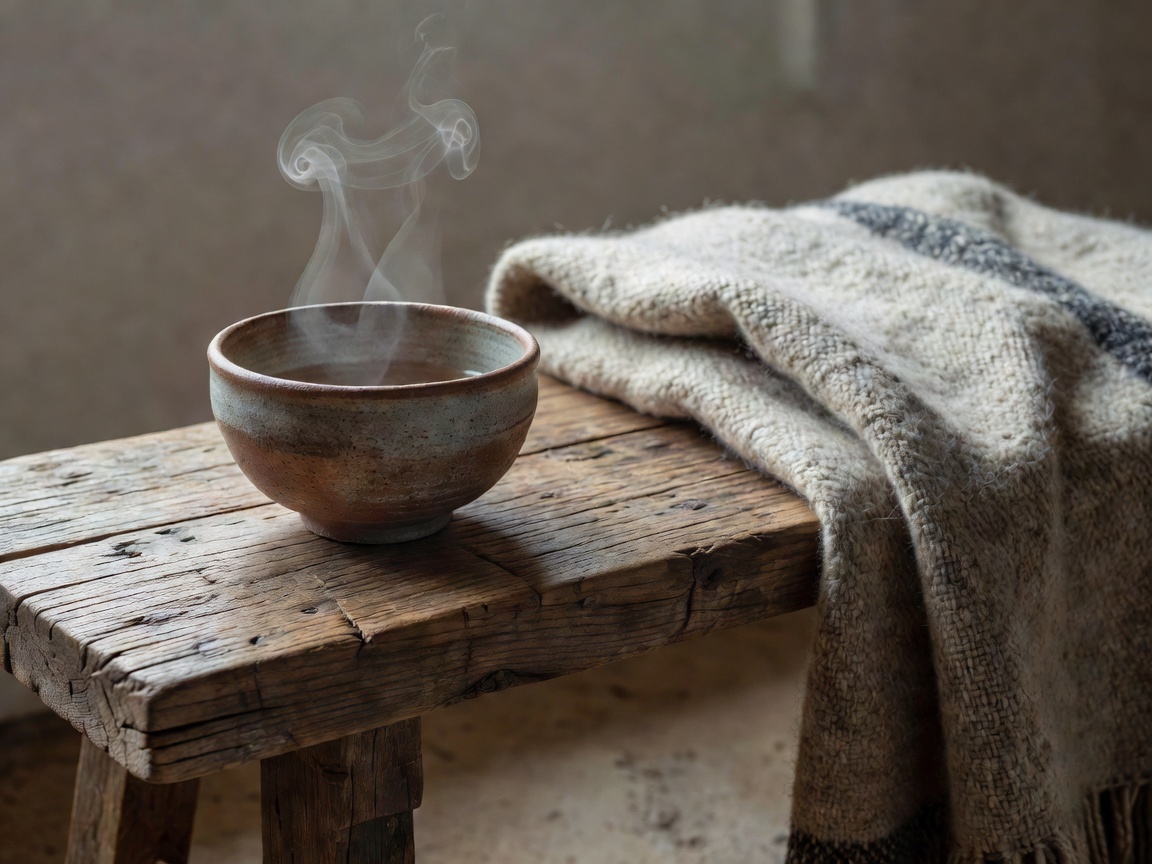
Preparing for a Meaningful Session
Before striking a match or ladling water, take twenty minutes to settle into the space. A frantic dash from your vehicle straight into an 80°C chamber shocks your cardiovascular system unnecessarily.
Rinse your body with lukewarm water to remove skin oils and surface debris. Sip half a liter of spring water or lightly salted herbal tea. Leave all wristwatches, smartbands, and mobile phones in the cabin. The only timepiece that matters in a forest sauna is your personal breath and heartbeat.
Alternating Indoor Warmth with Outdoor Air
The principle of thermal contrast involves bringing your core temperature up slowly, dilating superficial blood vessels, and then stepping into cool or cold surroundings to induce gentle vasoconstriction. Here is how to navigate the cycle responsibly:
- Round One (The Foundation): Sit on the middle bench where temperatures are moderate (around 65–75°C). Avoid throwing aggressive steam right away. Let your body adjust until beads of sweat form naturally across your chest and back. Usually 10 to 12 minutes is plenty.
- The Air Bath: Rather than jumping directly into an ice hole or cold barrel, step onto the open deck. In Scandinavian tradition, an ilmakylpy (air bath) allows cool ambient air to draw heat off the skin gently without shivering.
- Round Two (Humidity and Birch): Move to the upper bench. Now cast water gently over the rocks. If fresh or dried birch whisks are available, gently compress them against your shoulders and lower back to release their aromatic betulin oils.
- The Cold Contrast: Submerge into a lake, plunge barrel, or stand beneath a gravity bucket for 30 to 90 seconds. Keep your breathing slow, deep, and nasal. Never jump into deep cold water head-first or if you are feeling lightheaded.
- The Rest: Wrap yourself in an absorbent waffle-linen or wool robe. Sit completely quiet for at least fifteen minutes before even contemplating another round.
Respecting Your Body: Comfort Over Bravado
We must emphasize this clearly: sauna is a personal wellness ritual, not a competitive sport, and it should never be presented as a medical treatment for chronic conditions. If you experience dizziness, heart palpitations, or a tight chest, step down to the lower bench immediately, exit the room, and sit in a temperate spot.
People with cardiovascular conditions, low blood pressure, or those who are pregnant should always seek professional healthcare counsel before engaging in intense thermal cycling. Listen to your intuition; stepping out early is not failure, it is wisdom.
Clothing, Footwear, and Protection
While Scandinavian tradition leans heavily toward natural bathing (nude with a clean linen sitting towel), personal preference and cultural comfort always dictate what you wear.
Essential Equipment
- Wool or Felt Sauna Hat: A dense felt hat protects your scalp and hair from dry heat and prevents your head from overheating before your body warms evenly.
- Linen Bench Towel (Pefletti): Keeps the benches hygienic and shields your skin from hot resinous timber.
- Sturdy Slip-On Footwear: Wool-lined clogs or rubber sandals protect your feet from frozen decking or slippery lakeside rocks.
Post-Sauna Garments
- Heavy Linen or Terry Robe: Wicks remaining moisture while trapping an insulating layer of warm air.
- Coarse Wool Blanket: Essential for outdoor lounging on open-air porches in autumn and winter.
- Woolen Socks: Keeping your feet warm post-dip stops the shivering reflex immediately.
Responsible Hydration & Nourishment
During a two-hour session, your body can easily release over a liter of water. Drinking pure tap water alone is often insufficient, as you lose sodium, potassium, and magnesium through sweat.
Prepare a thermos of warm herbal tea—chamomile, birch leaf, or pine needle tea work beautifully—sweetened with a spoonful of raw local honey and a pinch of unrefined sea salt. Light snacks like salted rye crackers, pickled cucumbers, or crisp local apples restore electrolyte balance without overloading your digestive system. Avoid heavy meals or alcohol before or during your ritual.
Leaving No Trace in the Forest
A forest sauna retreat is a privilege made possible by healthy woodland ecosystems. Never throw synthetic scents, artificial perfumes, or essential oils directly onto glowing stones where they can burn and release irritating smoke. Use only fresh plant infusions or clean well water.
Similarly, dispose of cold ash carefully in metal buckets once completely extinguished, and respect natural water sources by avoiding commercial soaps, shampoos, or body washes when rinsing in lakes or forest streams.