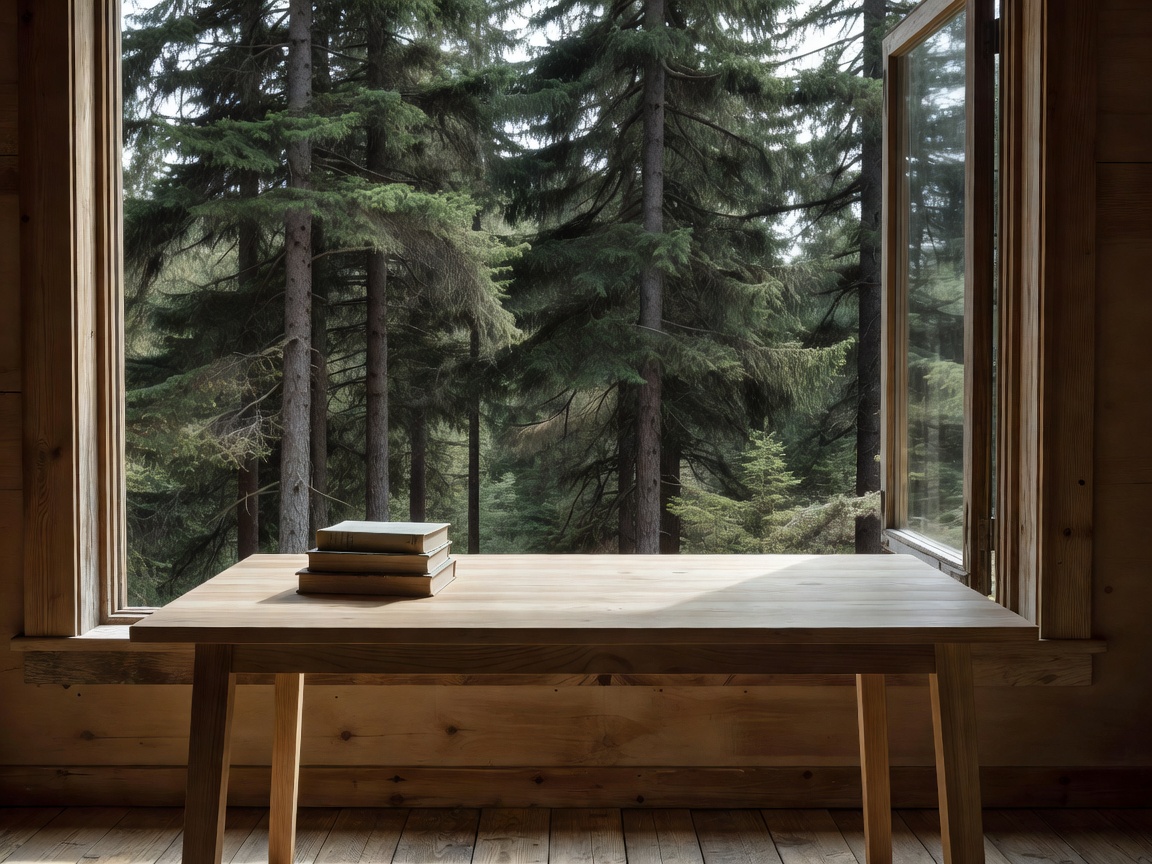
Slow Travel & The Architecture of Solitude
Contemporary travel often feels like an exhausting exercise in logistics: ticket validation, strict check-in windows, and crowded dining rooms. A forest cabin retreat strips all of that away.
In Scandinavian countries, this concept is encapsulated in traditions like the Norwegian hyttekultur and Finnish mökki life. You arrive, unpack simple provisions, take off your wristwatch, and adjust your routine to daylight and firewood requirements. You do not leave the property for three days, and curiously, you never feel bored.
Designing a Digital-Detox Environment
Many remote properties intentionally limit Wi-Fi connectivity or offer cabins where cellular signals are naturally faint due to mountain valleys. If your cabin does have connectivity, creating intentional boundaries makes all the difference:
- The Charging Drawer: Place phones and laptops inside an entrance drawer on arrival and commit to checking messages only once a day—or ideally not at all.
- Analog Replacements: Pack physical paperback novels, blank grid journals, watercolors, and high-quality trail maps. When your hands have physical items to hold, reaching for a screen feels unnecessary.
- Circadian Lighting: At dusk, rely on candles, hurricane lanterns, or low-kelvin warm reading lamps rather than overhead halogen lighting. The combination of intense afternoon sauna heat and zero blue light produces exceptionally deep sleep.
Morning and Evening Sauna Routines
Having exclusive access to a sauna during an overnight stay lets you experience two completely distinct bathing personalities:
The Gentle Morning Wake
Light a small fire around 8:00 AM. Bring the room to a mild 60–65°C. Sit in the soft morning light with a mug of black coffee or hot berry juice. A quick cool rinse afterwards clarifies the mind and sets a serene tone for the entire morning.
The Deep Evening Hearth
After dusk, when temperatures drop and the forest turns pitch black. Stoke the stove higher with seasoned birch. Steam billows softly in the dim lantern light. Step outside under clear constellations, completely steam-wrapped against the crisp night air.
Couples, Solitude, and Small Groups
The dynamic of a forest retreat shifts depending on who shares your perimeter. Choosing the right companion format is essential:
Solo Retreats: Going alone can feel intimidating for the first few hours if you are accustomed to urban stimulation. By day two, the absence of conversation becomes deeply soothing. Solo stays are ideal for creative focus, grief processing, or intense mental recuperation.
Couples Stays: Forest cabins offer shared chores that cultivate connection: one person gathers firewood, the other prepares a simple vegetable stew; you share the silent benches and the cold dip together. It is an unhurried intimacy impossible to find in busy resorts.
Micro-Groups (3–4 people): Excellent for close friends who share similar noise and cleanliness standards. Look for accommodations featuring split-level cabins or separate sleeping outhouses (aite/härbre) so early risers and night owls do not disturb each other.
What to Look for When Selecting Cabin Accommodation
To ensure an overnight retreat is restorative rather than frustratingly primitive, evaluate prospective properties against these practical benchmarks:
- Heating Redundancy: Does the cabin rely solely on a wood stove, or is there an auxiliary electrical radiator for bitterly cold nights when the wood fire burns out at 3:00 AM?
- Water Logistics: Clarify whether you have indoor potable running water, an outdoor hand pump, or if you must carry 20-liter jugs. All three work well, but you need to pack accordingly.
- Distance to Sauna: Is the sauna attached to the main cabin, or is it a freestanding outhouse 40 meters down a path? Freestanding cabins are superior for fire safety and authentic ambiance, but ensure there is a clear, slip-free illuminated pathway for night sessions.
- Kitchen Provisions: Cooking over cast iron or a simple two-burner gas cooktop requires basic pantry staples. Check whether salt, olive oil, and coffee pots are provided.