The Realistic Pre-Departure Framework
A smooth retreat hinges on understanding your property's exact wood and water setup, planning for seasonal road conditions, and packing gear built for cold outdoor transitions.
Great retreats don't happen by accident. When heading into remote woodland areas, thoughtful preparation around weather, access, food supplies, and equipment makes the difference between deep rejuvenation and stressful scrambling.
A smooth retreat hinges on understanding your property's exact wood and water setup, planning for seasonal road conditions, and packing gear built for cold outdoor transitions.
Every season in European forest country brings its own distinct rhythm. There is no universally "best" month; there is only the month that matches what you are seeking.
Arguably our favorite window. The insect season is completely over, foliage turns vibrant copper and gold, and nighttime temperatures drop to crisp single digits. Stepping out of an 80°C sauna into 4°C evening air is sublime. Wood stoves draw crisply due to cold chimney drafts.
For lovers of extreme contrast. Deep snow blankets the forest floor, ice holes can be cut into frozen lakes (avanto), and silence is total. Remember that winter days are short; you will spend significant time indoors, and wood consumption triples. Sturdy all-wheel-drive vehicles with studded tires are often mandatory.
A quiet, contemplative period of waking rivers and budding birch trees. However, be alert to ground conditions: unpaved forest roads can turn into deep mud during the snowmelt, making access challenging. Always ask hosts about local road stability.
Endless daylight (the Midnight Sun in northern latitudes) and pleasant water temperatures for relaxed swimming. The main consideration is insect protection (midges and mosquitoes in northern marshlands) and higher booking demand.
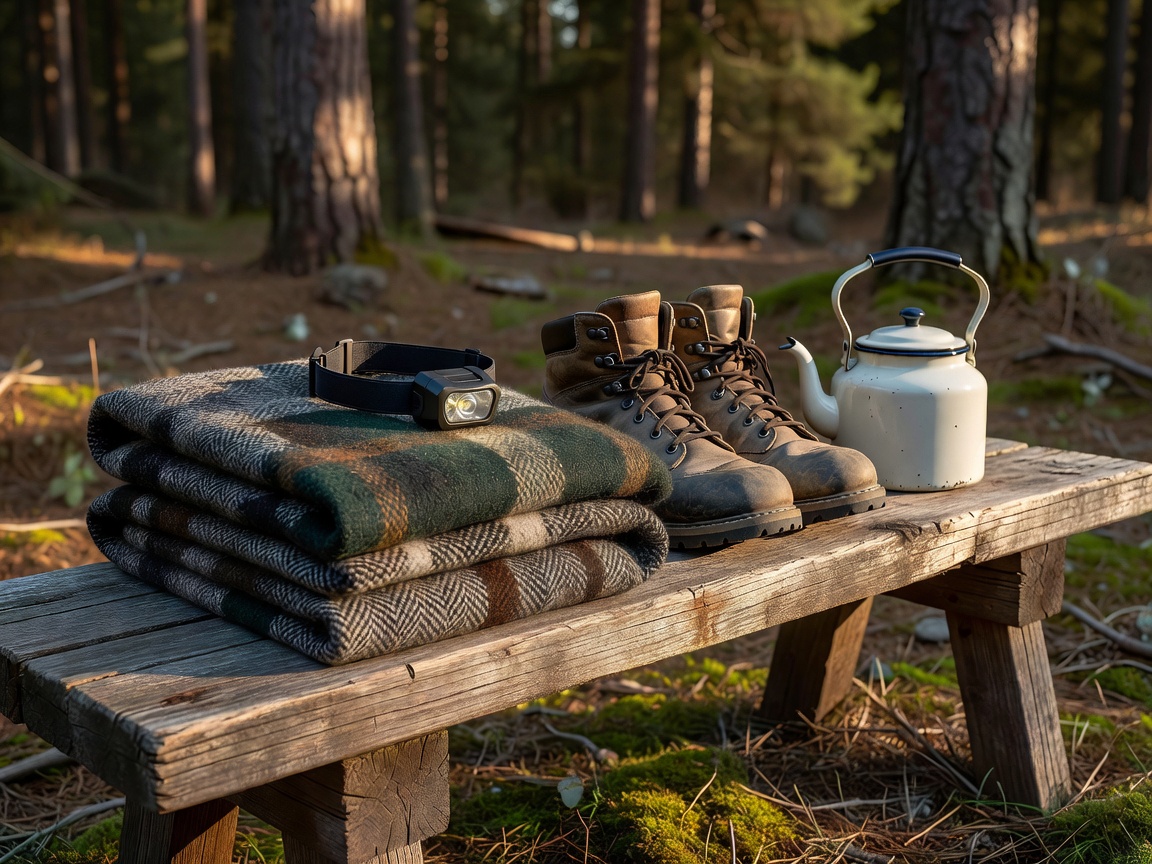
Do not treat a forest sauna retreat like a regular city hotel stay. Pack specialized garments designed to handle wet heat, outdoor mud, and chilly rests:
Before committing payment to any independent woodland retreat or private cabin operator, ask these targeted logistical questions:
Rather than relying on misleading arbitrary price tags, categorize potential properties by their operational model:
Dry cabins without running water or mains electricity. You carry water and split kindling. These offer the highest solitude and most authentic traditional atmosphere at accessible baseline costs.
Contemporary timber pavilions with panoramic floor-to-ceiling glass, electric-backup wood burners, curated Scandinavian furnishings, and modern plumbing. They require higher investments but provide effortless comfort.
Because remote properties have short operating seasons and low room counts, cancellation windows are often stricter than commercial city hotels. Always verify cancellation timeframes and consider travel cancellation protection, particularly for winter bookings where heavy blizzards can temporarily close mountain passes.